
Let’s not waste your time.
Commercial construction is going to be better from several aspects.
But commercial and residential construction are different in many ways, from who you’re working with to how you get paid.
And if you’re trying to switch from residential to commercial…
You’ll need to know a thing or two before you do that.
The Core Differences Between Commercial And Residential Construction
Commercial vs residential construction is a big conundrum. Here are our initial thoughts…
- In commercial, you’re dealing with someone’s personal bank account, not a corporate ledger.
- Homeowners have a lot more personal investment in the project being perfect, and are more sensitive to cost.
- Residential construction has a much faster pace compared to commercial.
- Residential construction is more personal and fulfilling then building another retail store.
- Commercial is paid better.
- Residential craftsmanship is usually higher-quality.
- Commercial, institutional, infrastructure, and industrial all pay better, have better benefits, and better unions.
- ... oh, and hard hats are mandatory in commercial.
| Category | Residential Construction | Commercial Construction |
|---|---|---|
| Stress level | Higher stress | Not as stressful |
| Job Timelines | 3–12 months | 1–3+ years, across multiple phases |
| Average Cost | ~$329,000 | $240–$1,000 per sq ft |
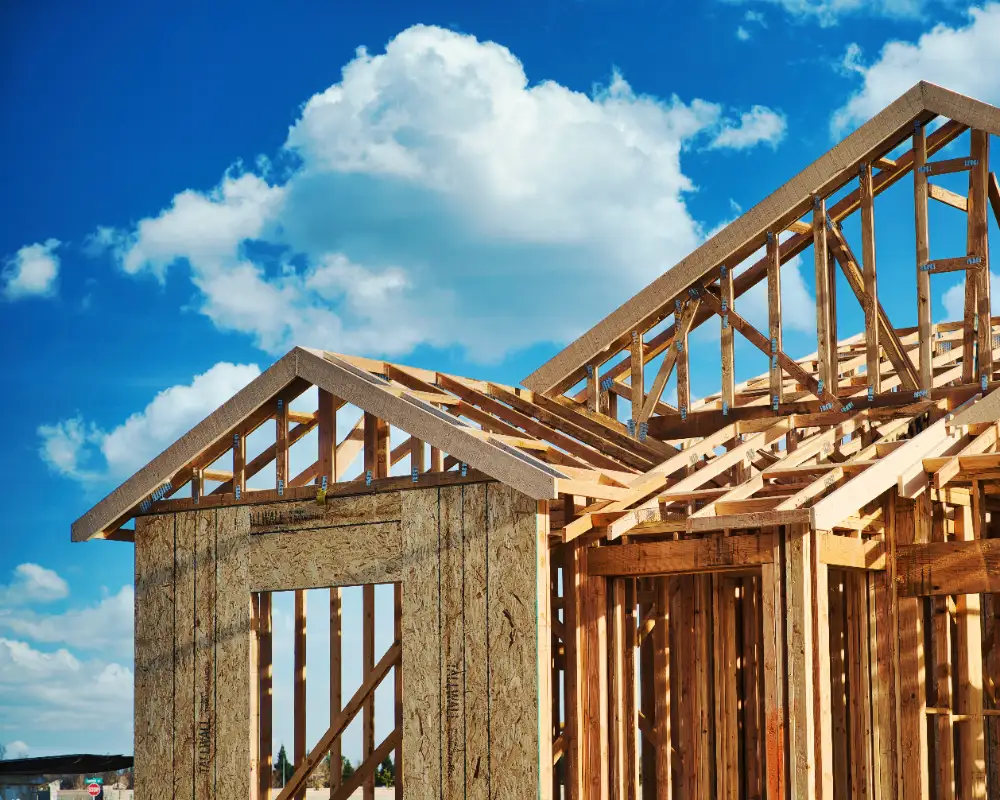
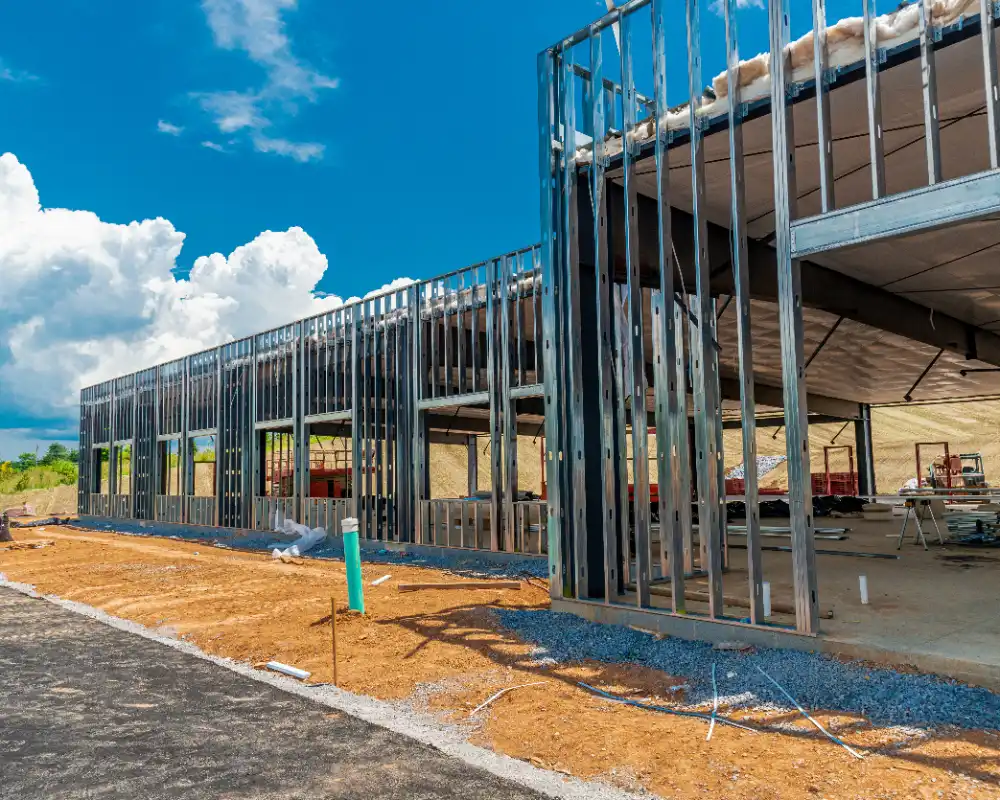
| Materials | Timber frames, wood, standard insulation | Steel/concrete frames, reinforced concrete |
| Pace | Much higher pace | Projects move slower |
| Financing | Personal mortgage or savings | Loans, bonds, investors, government/corporate funding |
| Building Codes | Standard residential permits | Multiple approval layers; zoning boards, ADA, OSHA |
| Contractor Payment | On completion or installments | 30–90 days post-completion |
| Market Stability | Volatile; affected quickly by recessions | More stable; commercial leases run 5–10 years |
| Excitement | Jobs are more fulfilling | Not as fulfilling as resi |
Scale, Timeline, and Budget
A residential home typically takes somewhere between 7 and 12 months to build from start to finish.
Commercial construction projects involve multiple phases with their own deadlines and milestones. The overall timeline can stretch for years, depending on the size of the build.
While the total project duration is way longer, the individual phases can move fast. This is because commercial work involves professional project management, so there’s often a tighter working plan than you’d find on a residential job.
What about costs?
The average residential home costs around $329,000 to build.
Commercial construction costs can range from $240 to $1,000 per square foot, depending on the project’s type and size. So, a mid-size office building or retail center can easily land in the millions.
The funding is just as different:
- Residential: Funded through personal mortgages and savings. Homeowners pay on completion or in agreed installments.
- Commercial: Financed through bank loans, investors, bonds, or government and corporate funding, often through complex bidding processes. Contractors frequently wait 30 to 90 days after project completion to see payment.
That payment delay is something many residential contractors aren’t prepared for. On commercial projects, your cash flow management needs to be tighter, so plan for it.
One more thing to keep in mind: on a commercial project, a delayed timeline doesn’t just push back the finish date. It actively costs you money.
Labor, equipment, and site costs keep accumulating whether progress is happening or not. That’s why efficient project management is a must.
Materials, Equipment, and Labor
Walk onto a residential construction site, and you’ll see timber framing, standard insulation, and tools that fit in a van. A commercial site is entirely different.
Commercial construction uses steel or concrete frames built to support bigger loads. The materials are higher-grade, more expensive, and must comply with strict safety regulations.
Then there’s everything inside:
- complex electrical and plumbing systems
- IT infrastructure
- security systems
They all add layers of cost and complexity that residential work rarely demands.
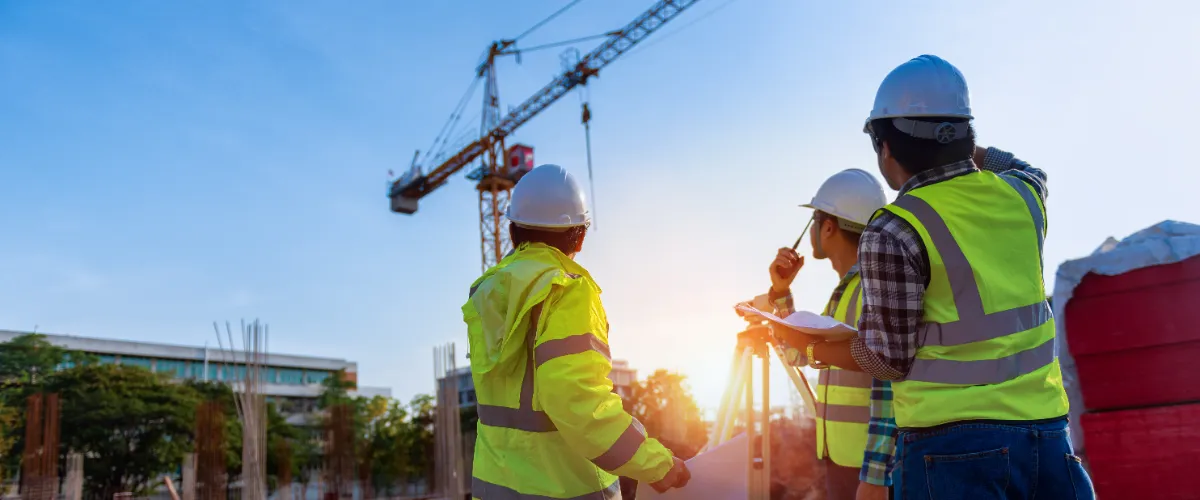
The equipment list grows, too. Cranes, earthmovers, and cement mixers are standard on commercial sites, along with the certified specialists who operate them.
This connects directly to labor costs.
Commercial projects require more workers on site, including equipment operators, tradespeople with specific qualifications, and project coordinators. As the scale increases, those costs rise fast.
But here’s the other side of that coin: commercial construction companies that run efficient operations regularly find that higher revenue per project more than offsets the higher costs.
The margin for a $4 million commercial build is very different from that for a $40,000 residential remodel.
Take an honest inventory of your equipment, your crew’s specialized skills, and your capacity to manage a larger workforce. You may need to invest before you bid for commercial construction projects.
Building Codes and Compliance
Residential construction has codes, of course. But commercial buildings face a much heavier regulatory oversight.
OSHA’s construction safety standards apply across the board, but the scrutiny on commercial sites is far more rigorous.
Commercial permits require multiple layers of approval from zoning boards, building departments, and, in many cases, environmental review agencies.
Commercial construction projects have to meet requirements for:
- Fire safety systems
- Handicap accessibility (ADA compliance)
- Complex electrical and plumbing systems built to a commercial scale
- IT and communications infrastructure
- Parking and site access standards
- Strict OSHA enforcement throughout the project
Failing a commercial inspection on a large-scale build can trigger fines, project shutdowns, and legal problems that don’t go away quickly.
For residential contractors considering commercial work, getting familiar with your state’s commercial building codes is non-negotiable. The International Building Code (IBC) is a solid starting point.
Understanding Your Client: Homeowners vs. Corporate Decision-Makers

Residential clients are emotional. They’re spending personal savings on a space they’ll live in. They care deeply about the little details and the way their home feels once you pack up and leave.
Homeowners also like to change their minds along the way. They’ll call you on a Saturday if something doesn’t look right.
On the other hand, commercial clients are typically a business owner, an investor, or a representative from a larger company.
With corporate money to spend, they want to know about timelines, compliance, and ROI.
The relationship is more formal. Mistakes get handled through paperwork, not phone calls on a weekend.
All in all, neither type of client is “easier.” They’re just different. And how you communicate with each of them (including how you market your work) needs to reflect that difference.
How Marketing Shifts Between Residential and Commercial Construction
Contractors who want to switch markets must understand that their marketing has to switch, too.
The truth is that marketing for residential construction and marketing for commercial construction require very different strategies.
Marketing for Residential Clients
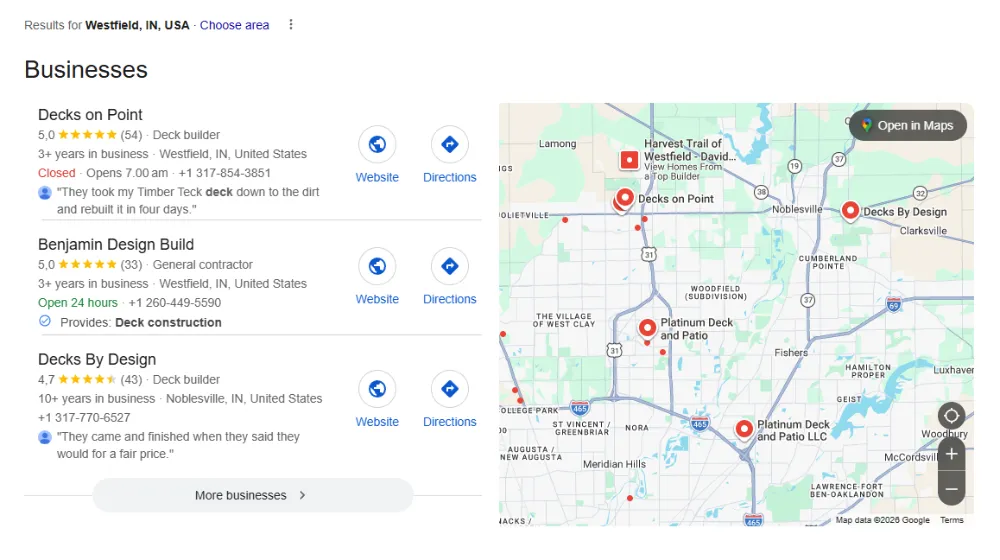
Residential clients find contractors through Google, Facebook ads, and referrals from neighbors.
They’re making an emotional decision, and your marketing should speak to that.
For residential projects, your marketing needs:
- A website that explains your services and makes it easy to request a quote
- A Google Business Profile that ranks high in local searches
- Facebook and Google ads targeting homeowners in your area
- Genuine customer reviews
The goal is quick conversions. Someone searches “deck builder near me,” finds your Google listing, and calls. That’s the funnel for residential contractors.
Marketing for Commercial Clients
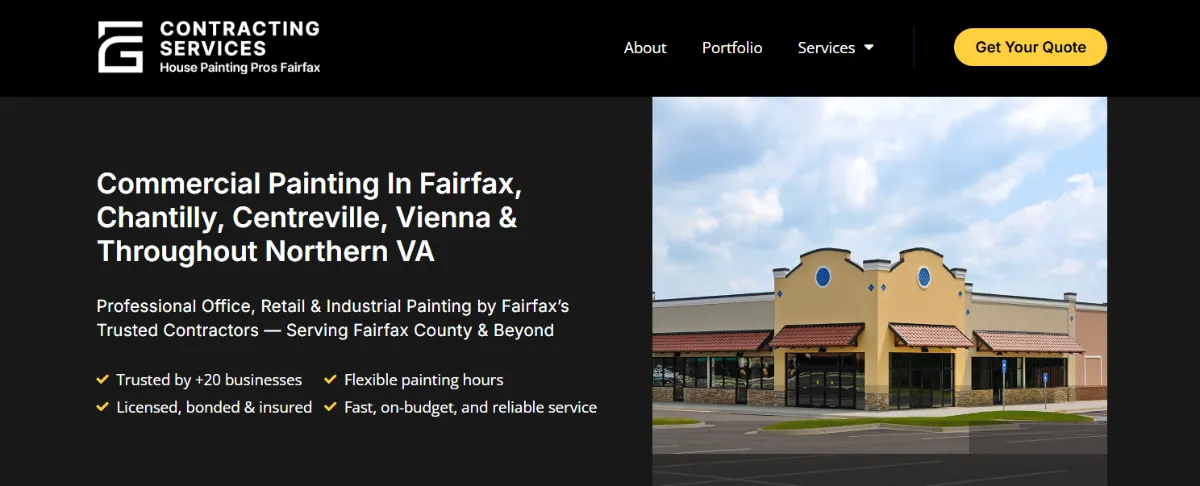
Commercial clients don’t find you through Facebook.
They find you through professional networks, LinkedIn, referrals from other businesses, and detailed case studies on complex work at scale.
For commercial construction marketing, you need:
- A professional website that highlights large-scale commercial construction projects, including OSHA compliance, materials expertise, and project management capacity
- Case studies that walk through the logistics of past commercial work
- LinkedIn campaigns targeting business owners, developers, and property managers
- Long-term lead nurturing, because the decision cycle for a commercial construction project is much longer
A commercial client might take six months just to finalize the scope of work.
Your marketing has to stay in front of them throughout that process with email sequences, retargeting ads, and consistent content.
Want to learn more about the longer commercial sales cycle? This guide to B2B lead nurturing is worth reading.
Doing Both Commercial and Residential Construction
A lot of successful contractors work across both residential and commercial construction rather than committing exclusively to one.
There’s actually a practical reason for that.
Residential construction is more volatile. Economic downturns hit the residential side quickly because homeowners tighten spending when times get tough.
The National Association of Home Builders (NAHB) tracks residential market trends that can help you anticipate slow periods.
Commercial construction, particularly projects tied to infrastructure, healthcare, or government contracts, tends to be more stable.
Leases also typically run 5 to 10 years, giving investors and property owners consistent cash flow. The likelihood of a commercial project being cancelled mid-bid is also way lower.
So, having a mix of residential and commercial work creates a buffer.
When the residential side slows down, commercial construction projects can keep your crew working and your cash flow steady.
Your Marketing Needs to Be as Strong as Your Craft
Whether you’re in residential construction, commercial construction, or both, it comes down to this: if clients can’t find you online, they can’t hire you.
Remember this:
- A Google Business Profile that dominates local search
- A website that wins trust before they call
- Ad campaigns that put you in front of the right people at the right time
… are the difference between a contractor who’s always chasing work and one who has a pipeline full of quality leads.
At Contracting Empire, that’s exactly what we build for contractors. We know this industry. We know how to market it. And we have the results to prove it.
Want to see how contractors are slowly moving away from word of mouth to a more independent and efficient lead generation system? Watch our Market Domination Blueprint, specifically designed for U.S. contractors.
FAQ: Residential vs Commercial Construction
Yes, but not without the right licensing. Commercial construction projects often require additional certifications, and the requirements vary by state. Check with your state licensing board before bidding on commercial projects.
Commercial projects generate higher revenue per job. But they also come with higher overhead, longer payment cycles, and more complex management demands. Whether commercial construction is more profitable depends on your ability to manage larger projects efficiently.
Underestimating the regulatory side. Commercial buildings are subject to far more rigorous code enforcement, OSHA oversight, and permitting requirements than residential properties. Multiple layers of approval from zoning boards and building departments are standard. Going in without that knowledge leads to costly delays.
Yes. Commercial construction projects generally require higher liability coverage, workers’ compensation, and, in some cases, performance bonds. Talk to a commercial insurance broker before pursuing commercial and residential properties simultaneously.
Expect 12 to 24 months to build the licensing, crew capabilities, equipment access, and reputation needed to compete for meaningful commercial projects. Many contractors start with smaller commercial work (like retail fit-outs or small office buildouts) before pursuing large-scale commercial construction.