
Restoration and mitigation sector is huge for contractors. The problem is getting enough water damage leads to make it worthwhile and grow.
Luckily, there are some things you can do to fill your pipeline with more water restoration leads.
Some might be a hit or miss, but others are a guaranteed win.
Here are 6 ways to get more fire, lead, mold, and water damage restoration leads…
And a few other tricks to help you succeed.
#1. Connect With Public Adjusters
All fire and water restoration jobs will most likely be done through the home insurance…
And all home insurance jobs will go through a public adjuster who’s there to determine the scope of work and the cost to get everything fixed.
The adjuster works for the insurance carrier, so they’ll most likely give an outrageously small price for the job.
So you have to be very picky when it comes to public adjusters and who you connect with.
But if you want more water damage leads, this is a great first step.
Where to find public adjusters?
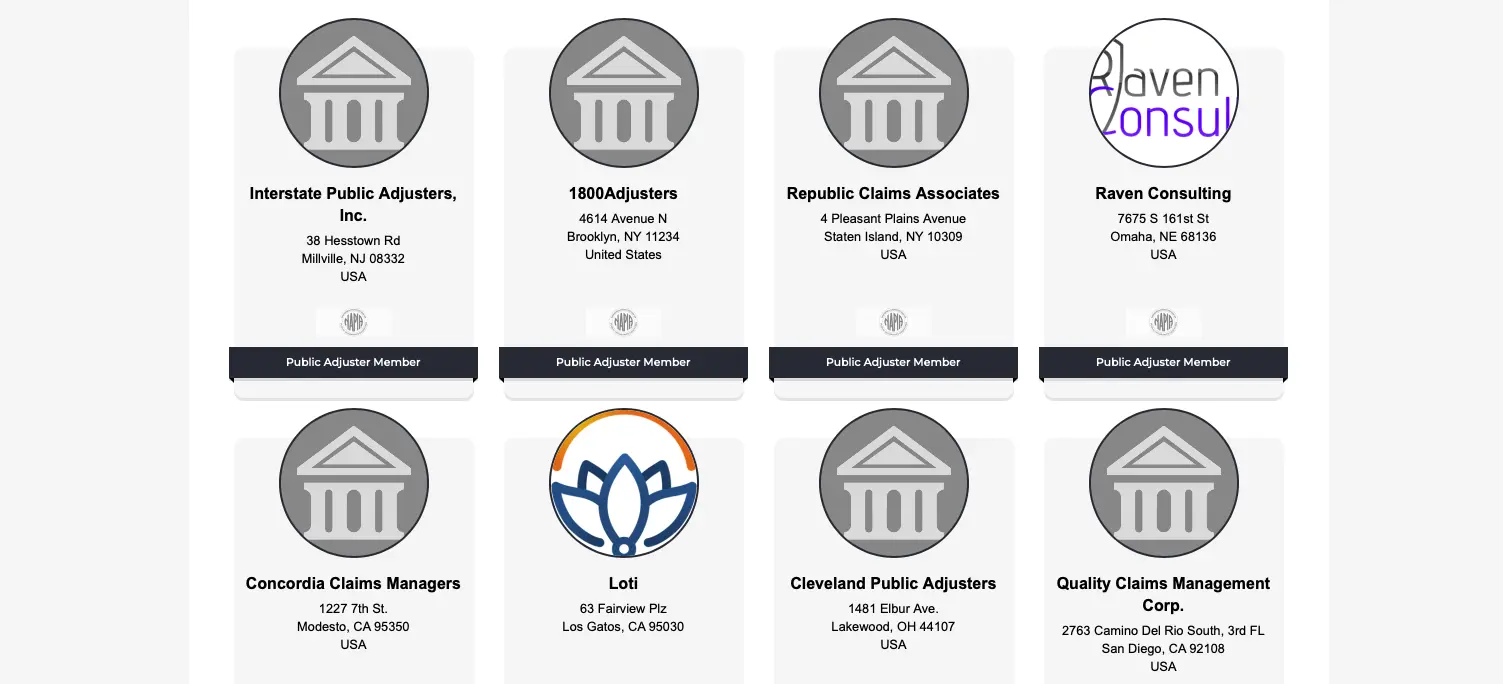
You can find public adjusters and talk to them on these sites below:
I
NAPIA (National Association of Public Insurance Adjusters): The primary resource to find licensed, qualified, and ethical professionals.
II
State Department of Insurance: Use their online directories to confirm that a public adjuster is properly licensed to operate in your state.
III
Regional & National Firms: Companies such as WorldClaim or AllCity Public Adjusting offer services for both residential and commercial claims.
IV
V
Facebook groups and forums are another great way to connect with public adjusters from your area and develop a relationship.
#2. Become A Preferred Contractor For Insurance Companies
Like I said, most fire and water restoration jobs happen through the owner’s insurance.
And even if, ultimately, the homeowner will choose the contractor, the insurance companies like to recommend their ‘preferred contractors’.
We have a full article on how to become a preferred contractor for insurance companies, and you can read it here.
To increase your chances, you’ll need:
- a great portfolio of past restoration jobs
- knowledge with their estimating tools (mostly Xactimate)
- spectacular customer service
- absolutely phenomenal negotiating and communication skills
- and a whole lot of patience and nerves
#3. Try Lead Generation Services
Now this is what I call a hit or miss.
I’m sure Angi’s reps called you dozens of times already, and I’m sure you already know about Thumbtack, Nextdoor, 33 mile, and the rest of them.
These are websites that get a TON of service requests and then they sell these requests to contractors.
You’re all paying for the same lead that you have to bid on, and then wait to be undercut by the other contractors.
And because plumbing is a high-competition trade, expect the cost per lead to be at least $300, depending on the area you’re in.
A good alternative to 3rd Party Lead Generation Services...
Google Local Service Ads for contractors is a great alternative to get pay-per-call leads WITHOUT paying anyone else for them.
These are leads from your Google Business Profile and they’re qualified prospects that Googled the services you offer.
You only pay for qualified leads and you can get credited for the spam or bad leads you might (or might not) be getting.
#4. Start Advertising On The Right Platforms
Advertising is one of the fastest way to grow your construction business.
Whether you’re in mitigation, restoration, construction, or any other sector, PPC for contractors and Facebook ads for contractors will ALWAYS be efficient when done right.
- PPC ads (or Google Search Ads) are great because you'll only pay per click and you'll capture the immediate demand for fire and water restoration jobs.
- Facebook Ads is great to put your name out there and get people familiar with your work. It's an efficient tool to stay top of mind and create a powerful brand.
The cost of PPC or Facebook Ads for Contractors
We run Google and Facebook ads for dozens of contractors in the US in different sectors like landscaping, painting, renovation, plumbing, electrical, and more.
Throughout these, the cost per lead varies wildly depending on your services, the area you serve, and your competition.
For example, we’re seeing an average cost per lead for decking companies at around $200, and for painters the average cost per lead is around $300 because of higher competition.

#5. Start networking with Carriers and Homeowners
Start talking with insurance carriers and homeowners. Present your work, bring value to the value, don’t be pushy, and leads will eventually come.
This is different than connecting with adjusters because they’re in the middle of all this.
Insurance carriers and homeowners are the ones you’ll actually work with, and they need to know you exist before anything else.
In the fire and water restoration and mitigation, referrals play a big part, so deliver your best customer experience, and you’ll do fine.
#6. SEO For Your Restoration & Mitigation Company
The first thing homeowners do when they have a fire or water restoration job is to Google “water damage restoration company near me” of “fire damage repair”.
If your website is not showing up in the first three results, you’ve lost a lead.
Doing SEO for your restoration or mitigation company will get you more visibility and position you higher on Google when your prospects look for your service.
Some things you can do right now are:
- Change the H1 of your website to "Fire & Water Restoration In [your service area]"
- Change your main category on your Google Business Profile to Water Restoration Company
- Start posting content on your Facebook & Instagram page about being a fire and water restoration company
- Create content on your website about restoration & mitigation work
Restoration Vs Mitigation
- Mitigation always happens first. It means removing the issue that caused the damage. E.g. fixing the plumbing, the gas pipes, removing the mold, etc.
- Restoration or reconstruction always happen after the issue is mitigated. When the plumbing or mold issue is remediated, they come in and repair or rebuild what's necessary.
Generally, restoration has the bigger type of jobs.
If there was a house fire that affected a garage, rebuilding that garage is at least $50,000.
Mitigation, on the other hand, are smaller jobs that yield a much higher profit margin and have a faster turnaround time.
Still, these both work through the home insurance, and the process is tedious and long, and takes weeks or months to get approval on the most trivial things.
This 3-minute video will help you understand mitigation vs restoration better.
Tips For Remediation, Mitigation, Restoration Pros
Being visible online is one of the biggest advantages you can have today.
It’s where homeowners look for services, and it’s where a lot of decisions happen.
If you’re a business in the remediation, mitigation, or restoration sector and you want more leads, do these:
1
2
Get satisfied clients to leave you Google reviews and make it easy for them to do so. Less than 10% of clients will leave a review if not asked. Over 70% are willing to leave a review when asked.
3
Advertise. Do Local Service Ads, Google Search Ads, and Facebook Ads and capture as much demand as possible. If you want more, you can advertise on Nextdoor or Craiglist, or buy leads from Angi and 33 mile.
4
If restoration or mitigation is all you do, focus all your marketing efforts on promoting that.
Closing Thoughts
Getting more leads through home insurance is not easy. Even if you get them, working on them can be frustrating.
And if you want to pursue this, we can help.
The right kind of marketing, including SEO, paid ads, and branding and get you more of those water damage leads, fire restoration leads, lead paint remediation leads, and more.
This allows you to get a steady flow of restoration leads so you don’t have to wait around and beg for referrals from adjusters or past clients.
Want to see how contractors are slowly moving away from word of mouth to a more independent and efficient lead generation system? Watch our Market Domination Blueprint, specifically designed for U.S. contractors.